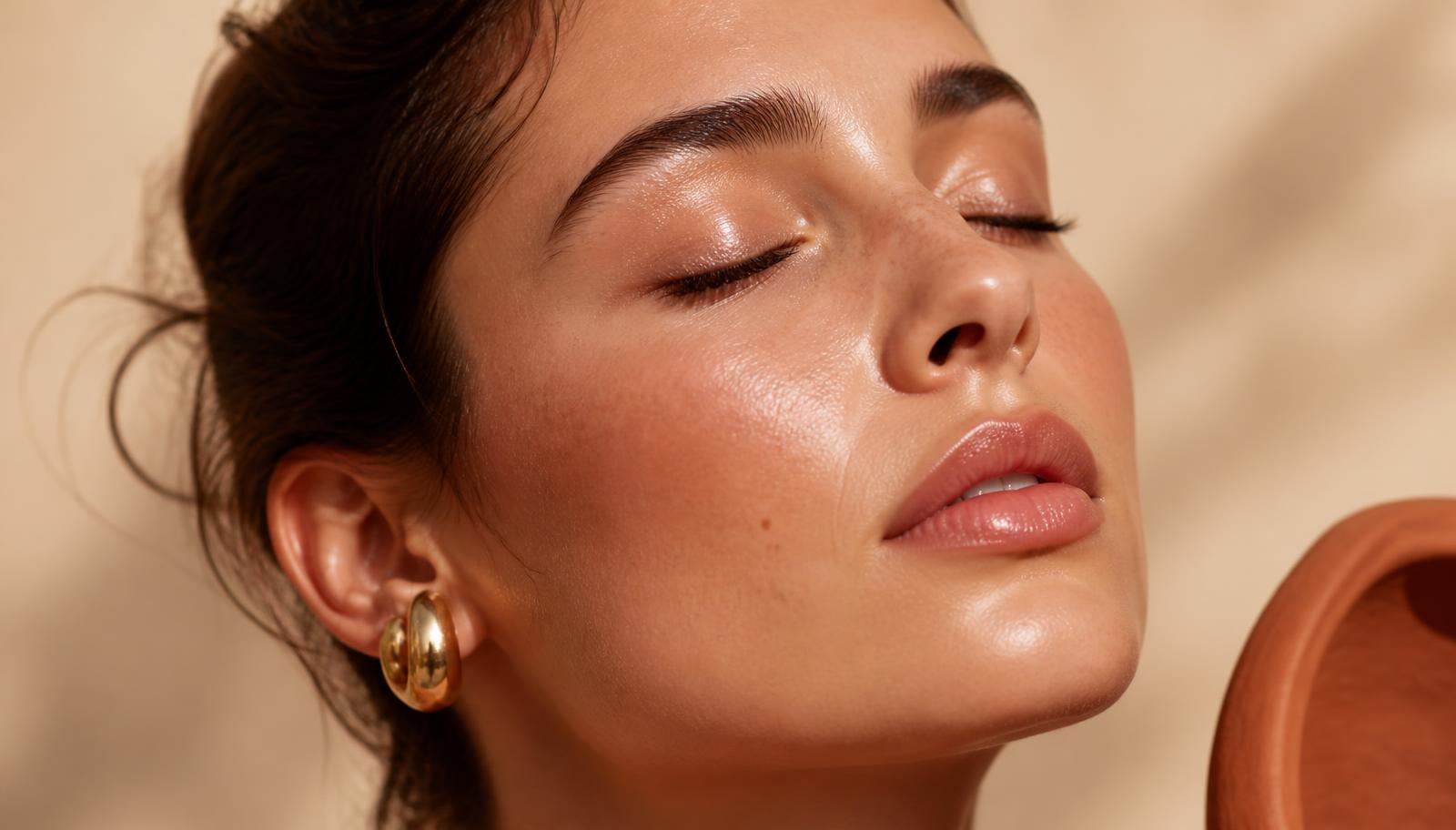
If you are searching for answers about pcos facial hair, you are not alone. Many women and people with PCOS experience hirsutism — excess hair growth on the face, chin, jawline, or neck driven by hormonal imbalance. It is more than a cosmetic concern. It can touch confidence, intimacy, identity, and the quiet way we move through the world.
Understanding PCOS facial hair
Polycystic Ovary Syndrome (PCOS) affects how the ovaries produce hormones. Elevated androgens can trigger hirsutism — dark, coarse hair growth in areas where hair is typically finer or absent. For many, the face becomes a daily reminder of an invisible condition.
Managing pcos facial hair often involves working with a healthcare provider to address the root hormonal imbalance. Laser hair removal does not treat PCOS itself, but it can be a powerful companion in your care plan — reducing visible hair growth and offering a sense of control that ripples into every area of life.
How laser treatments help
Laser hair removal targets the pigment in the hair follicle. The light converts to heat, gently disrupting the follicle's ability to regrow thick, dark hair. For hormonal hair, a series of treatments is usually needed because the body's hormones continue to stimulate new growth.
At Ammonite, we approach every treatment as a ritual. We choose settings that honor sensitive skin, darker skin tones, and the unique patterns of hormonal hair. The goal is not perfection — it is relief. Thinner, slower, less visible hair. Fewer hours spent shaving, waxing, or hiding. More mornings where you feel like yourself.
- —Reduces density and coarseness of facial hair over time.
- —Helps prevent the irritation and ingrowns common with shaving and waxing.
- —Restores a sense of ease and confidence in your own skin.
What to expect at Ammonite
Your first visit begins with a consultation. We listen to your history, assess your skin and hair type, and design a treatment plan that fits your body and your life. For pcos facial hair, we typically recommend a series of sessions spaced several weeks apart, with maintenance treatments as needed.
Each session is held in a calm, private space. There is no rush, no judgment. We explain every step, adjust for comfort, and hold space for whatever you are carrying. This is sacred self-care — the kind that says you are allowed to take up space and tend to yourself.
Nourishment after treatment
After laser hair removal, the skin benefits from gentle care. We recommend avoiding heat, sun exposure, and active products for the first 48 hours. Hydrate. Rest. Touch your face with kindness. The way you care for yourself after a treatment is as important as the treatment itself — it is the ritual of becoming the goddess who tends to her own temple.
Frequently asked questions
Can laser hair removal really help with PCOS facial hair?
Yes. While laser hair removal does not cure PCOS, it can significantly reduce the density, coarseness, and growth rate of facial hair caused by hormonal hirsutism. Many clients experience smoother skin, fewer ingrowns, and less daily maintenance after a series of treatments.
Why does PCOS cause facial hair growth?
PCOS can lead to elevated androgens (male hormones), which may trigger hirsutism — dark, coarse hair growth on areas like the chin, jawline, upper lip, and neck. It is a common and often emotionally heavy symptom, but you are not alone in managing it.
How many laser sessions are usually needed for PCOS facial hair?
Because hormonal hair is driven by ongoing internal factors, PCOS-related facial hair often requires more sessions than typical hair removal. Most clients benefit from a series of 8–12 treatments spaced several weeks apart, followed by occasional maintenance sessions tailored to their response.
Is laser hair removal safe for darker skin tones?
Absolutely. At Ammonite Laser Spa, we select settings and wavelengths that honor melanin-rich skin. Your consultation includes a thorough skin assessment so we can treat you safely, effectively, and with care.
What should I avoid before and after treatment?
Before your session, avoid waxing, plucking, or tanning. After treatment, protect your skin from sun and heat for 48 hours, skip active products like retinoids and acids, and keep the area hydrated. We guide you through every step so your skin feels supported, not stressed.
Will the hair grow back after laser treatment?
Hormonal hair may regrow over time because PCOS continues to stimulate new follicles. However, many clients find that regrowth is finer, lighter, and slower — making maintenance easier and the emotional weight lighter to carry.
Medical disclaimer: Laser hair removal is a cosmetic treatment and does not cure or treat PCOS. Please consult with your healthcare provider for medical diagnosis, treatment, and management of hormonal conditions.
You do not have to carry this alone.
If you are ready to explore relief from pcos facial hair in a space that honors your whole self, we invite you to begin with a consultation at our Brooklyn studio.
Book a ConsultationOr call +1 718 813 2076